
Fiber-Powered Mornings
Fiber is the ultimate tool for weight management because it adds bulk to your meals without adding extra calories. By slowing down the digestion process, high-fiber foods keep you feeling satisfied for longer, preventing the insulin spikes that lead to fat storage. Transitioning to these traditional, grain-based Indian breakfasts ensures you stay energized and full until lunch, making it significantly easier to stick to a calorie-deficit diet.
Vegetable-Loaded Oats Idli
Traditional rice idlis are delicious but often high in simple carbs; swapping rice for oats creates a fiber powerhouse. Oats are packed with beta-glucan, a soluble fiber known to lower cholesterol and improve gut health. When mixed with curd and finely chopped vegetables like carrots and beans, these steamed idlis provide a satisfying, low-calorie start that supports a healthy metabolism.
Moong Dal Chilla with Paneer Filling
Moong dal (split green gram) is naturally high in dietary fiber and plant-based protein, making it a staple for anyone on a weight loss diet. Preparing a thin, crispy chilla (pancake) and stuffing it with crumbled paneer or tofu adds even more satiety. This combination ensures a slow release of energy, keeping your blood sugar stable and reducing the urge to reach for sugary snacks before your next meal.
Vegetable Dalia (Broken Wheat) Khichdi
Dalia, or broken wheat, contains significantly more fiber than refined grains or white rice. Cooking it as a savory khichdi with an abundance of seasonal vegetables like peas, cauliflower, and tomatoes turns it into a high-volume, low-calorie meal. The complex carbohydrates in dalia take longer to break down, providing a steady stream of fuel that powers you through a morning workout or a busy workday.
Ragi (Finger Millet) Dosa
Ragi is a nutritional marvel, boasting a fiber content that is much higher than wheat or rice. It has a low Glycemic Index (GI), which means it helps regulate blood sugar levels and prevents the fat-storing spikes caused by refined flours. A crispy ragi dosa served with coconut chutney is not only gluten-free but also rich in calcium, supporting bone health while you focus on leaning down.
Sprouted Moong and Peanut Salad
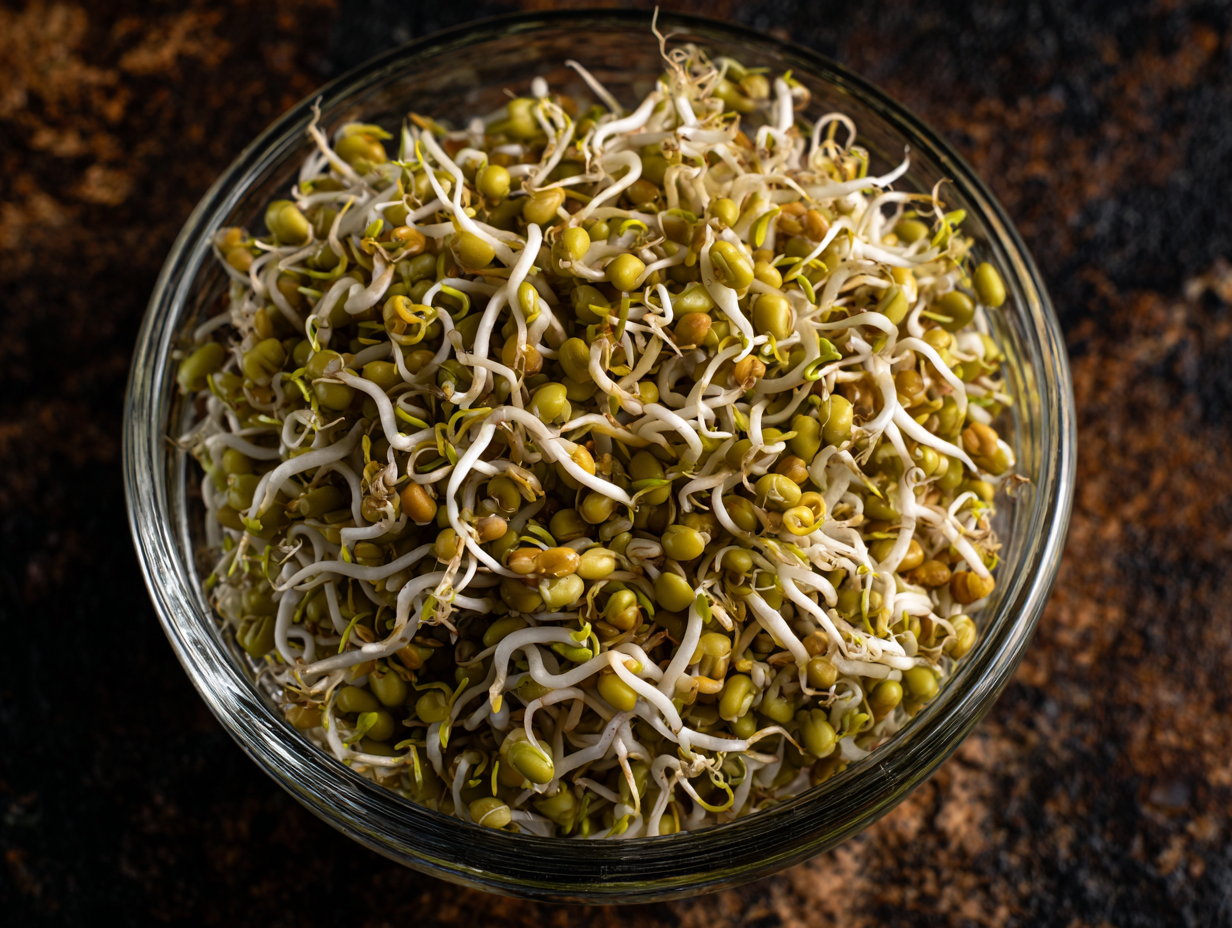
For those who prefer a light, refreshing start, a sprouted moong salad is an excellent choice. Sprouting increases the bioavailability of nutrients and significantly boosts the fiber content of the lentils. Tossed with crunchy cucumbers, tomatoes, pomegranate seeds, and a handful of roasted peanuts, this “no-cook” breakfast is packed with enzymes that aid digestion and keep your gut microbiome thriving.
Bajra (Pearl Millet) and Vegetable Upma
Bajra is a powerhouse of insoluble fiber, making it particularly effective at promoting a feeling of fullness. Replacing traditional semolina (suji) with bajra grits in your upma increases the nutritional density of the dish. Sautéed with mustard seeds, curry leaves, and plenty of fiber-rich veggies, this breakfast is especially beneficial for digestive regularity and long-term weight management.
Multigrain Methi Thepla
Thepla is a traditional Gujarati flatbread that becomes a weight-loss hero when made with a mix of whole wheat, jowar, and bajra flours. Adding a generous amount of fresh fenugreek (methi) leaves introduces vital antioxidants and extra fiber to the dough. These thin flatbreads are easy to prepare in advance and, when paired with a bowl of plain curd, provide a balanced ratio of fiber, protein, and healthy fats.